
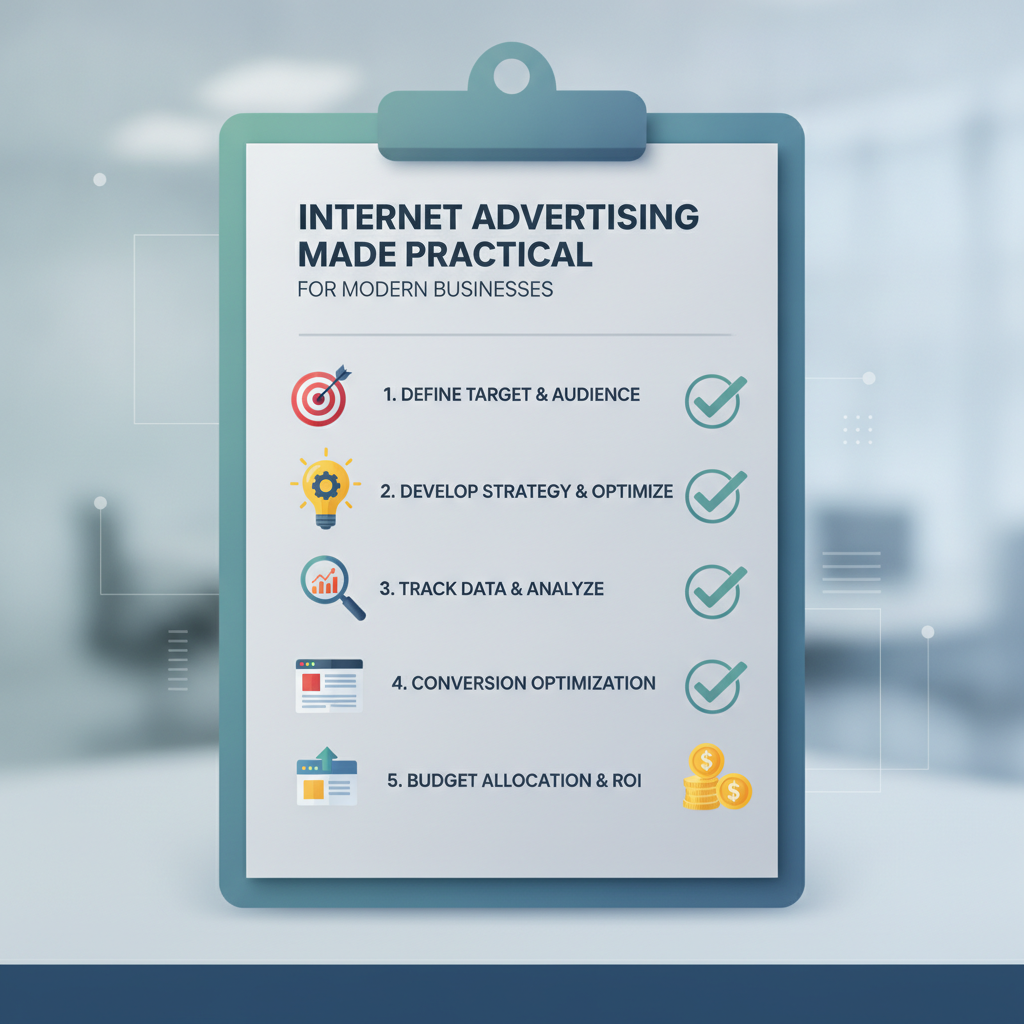
Internet Advertising for Telehealth Providers: A Practical Guide to Patient Growth
Why internet advertising matters in telehealth
Internet advertising is the paid promotion of a clinic, virtual care platform, healthcare service, or wellness brand across digital channels such as search engines, websites, social media, video platforms, apps, and shopping-style feeds where appropriate. For telehealth providers, its value is not simply visibility. It can help connect patients with timely virtual care options, support service-line awareness, and create measurable pathways from an online search to a booked consultation.
For readers who want a broader business-focused overview, this practical guide to internet advertising for modern businesses explains the core mechanics behind paid digital campaigns. In telehealth, those same mechanics still apply, but the strategy must also account for patient trust, privacy expectations, clinical appropriateness, advertising platform policies, and the quality of the online care journey.
Paid advertising should also work alongside organic visibility, not replace it. A telehealth clinic may use paid search to appear when someone is actively looking for a virtual appointment, while investing in SEO Services to build longer-term authority around symptoms, services, locations, provider expertise, and patient education. The strongest approach usually blends immediate demand capture with durable organic growth.
How internet advertising works for virtual care journeys
Most internet advertising campaigns are built from four connected parts: audience targeting, ad creative, landing-page experience, and conversion tracking. A telehealth provider decides who it wants to reach, what service or care option to present, where the ad should appear, and which action counts as success. That action may be a booked visit, phone call, intake form submission, app download, newsletter signup, or request for more information.
In search campaigns, a patient’s intent is often clearer because the query may show immediate need. For example, someone searching for a virtual walk-in clinic, online therapy appointment, or remote prescription renewal is expressing a different level of intent than someone passively seeing an awareness ad on a social platform. This is where Google Ads Management becomes more than campaign setup. It involves refining keywords, excluding irrelevant searches, aligning ads with care pathways, and ensuring the landing page answers the patient’s next question.
The full patient journey matters. A campaign can attract clicks but still fail if the appointment page is confusing, the service eligibility is unclear, the mobile experience is weak, or conversion tracking does not distinguish meaningful patient enquiries from general browsing. In telehealth advertising, performance depends on both media efficiency and patient experience.
Which internet advertising channels fit telehealth goals?
Different digital ad formats serve different healthcare marketing objectives. Some are best for capturing immediate demand, while others are better for education, awareness, or re-engagement. Telehealth marketers should choose the channel based on patient intent, service sensitivity, compliance requirements, and the type of conversion being measured.
Search-focused campaigns
A) Search ads: Search ads place telehealth services in front of people actively looking for care, information, or appointment options.
- How it works: Ads appear for selected keyword themes, with relevance between the search term, ad copy, and landing page influencing efficiency.
- Best fit: Virtual urgent care, online consultations, therapy bookings, specialist intake pages, prescription-related services where permitted, and local clinic extensions.
- Practical use: A provider can separate campaigns by service type so that a mental health appointment search does not land on a generic telehealth homepage.
B) Local and map-supported campaigns: Even virtual care often has a local trust component, especially when licensing, insurance, language, or follow-up care depends on geography.
- How it works: Location signals, business profile accuracy, and local relevance help determine where ads appear.
- Best fit: Hybrid clinics, regional telehealth practices, healthcare groups with physical locations, and providers serving defined jurisdictions.
- Practical use: A clinic can promote virtual appointments to patients in areas it is licensed or operationally prepared to serve.
Education and awareness campaigns
A) Social media advertising: Social ads can introduce services to audiences who may not yet be searching but could benefit from learning that virtual care is available.
- How it works: Platforms distribute ads using audience, creative, engagement, and placement signals.
- Best fit: Service awareness, new clinic launches, health program education, app introduction, and general brand visibility.
- Practical use: A telehealth platform may use social ads to explain how online appointments work before asking users to book.
B) Display advertising: Display ads can support recognition across websites and apps, especially when the goal is to remain visible during a longer decision process.
- How it works: Ads can be delivered based on placements, topics, audience categories, or remarketing lists where permitted.
- Best fit: Brand awareness, service reminders, patient education campaigns, and support for broader digital visibility.
- Practical use: A healthcare organization may use display ads to support a campaign about virtual access to non-emergency care.
C) Video advertising: Video can help explain how a telehealth service works, what patients should expect, and when virtual care may be appropriate.
- How it works: Video ads are distributed through audience and contextual signals, often with short viewing windows.
- Best fit: Patient education, platform walkthroughs, provider introductions, and trust-building campaigns.
- Practical use: A clinic can use a short video to show the booking process or explain the difference between virtual and in-person care pathways.
Conversion and follow-up campaigns
A) Remarketing: Remarketing reconnects with people who previously visited a website or interacted with a digital property.
- How it works: Audience lists are created from prior site visits or engagement, then used for follow-up messaging where platform rules and privacy requirements allow.
- Best fit: General service reminders, app onboarding, webinar follow-up, and non-sensitive awareness journeys.
- Practical use: A telehealth brand may remind visitors to complete a general registration process, while avoiding messaging that could reveal sensitive health interests.
B) Multi-network automation: Automated campaign types can distribute ads across several placements using assets, audience signals, and conversion data.
- How it works: The platform dynamically allocates budget based on available signals and campaign goals.
- Best fit: Organizations with reliable tracking, strong creative assets, and clear conversion actions.
- Practical use: A virtual care platform with a mature analytics setup may test automation after its core search and landing-page structure is already reliable.
C) Landing-page testing: Landing-page optimization is not an ad channel, but it often determines whether paid traffic becomes patient action.
- How it works: Teams test headlines, service explanations, form design, appointment calls to action, trust cues, and mobile layouts.
- Best fit: Any telehealth provider spending consistently on paid traffic.
- Practical use: A virtual clinic may compare a general appointment page with a service-specific page to see which produces more relevant enquiries.
What telehealth teams should check before increasing ad spend
More budget does not fix unclear messaging, weak tracking, or a poor booking experience. Before scaling internet advertising, telehealth teams should review the fundamentals that connect ad spend to patient acquisition and service quality.
Step 1: Define the conversion that matters
Choose the primary outcome before launching. For a telehealth campaign, that may be a booked appointment, completed intake, phone call, app registration, or patient eligibility check. If every click is treated as success, the campaign may optimize for traffic instead of useful patient actions.
Main check: Confirm that the conversion is measurable and tied to a real operational goal.
Common issue: Counting page views or generic button clicks as conversions can make performance look better than it is.
Step 2: Match the campaign to patient intent
Search ads often work best when people are actively looking for care. Social, display, and video campaigns may be better when patients need education before they are ready to book. A mismatch between channel and intent can create traffic that does not turn into appointments.
Main check: Ask whether the audience needs immediate access, education, reassurance, or follow-up.
Common issue: Expecting instant bookings from awareness campaigns without a clear nurture or retargeting strategy.
Step 3: Use targeting and exclusions carefully
Telehealth advertising must be precise. Location, language, service eligibility, provider availability, and patient type can all influence whether a click is useful. Negative keywords and exclusions help reduce irrelevant traffic and protect budget.
Main check: Review search terms, locations, devices, and audience signals regularly.
Common issue: Broad targeting may attract users outside the service area or people looking for services the provider does not offer.
Step 4: Align the landing page with the care pathway
A person clicking an ad for a specific telehealth service should not have to search the website to understand what happens next. The landing page should explain the service, eligibility, expected next step, appointment process, and any important limitations in clear language.
Main check: Compare the ad promise with the first screen of the landing page.
Common issue: Sending all paid traffic to a general homepage can weaken trust and reduce conversions.
Step 5: Connect reporting with patient quality
Campaign dashboards can show clicks and conversions, but telehealth teams also need to know whether those conversions are appropriate, qualified, and operationally manageable. Marketing data should be reviewed alongside booking outcomes, call quality, form quality, and service fit.
Main check: Compare platform reporting with actual appointment and intake feedback.
Common issue: A campaign may appear efficient while producing enquiries that cannot be served.
Privacy and trust considerations in telehealth advertising
Healthcare advertising requires extra care because patients may be dealing with sensitive needs. Telehealth marketers should avoid messaging that feels intrusive, overly specific, or likely to expose private health interests. Campaigns should be reviewed against applicable privacy obligations, professional standards, and platform policies before launch.
- Avoid over-personalized health messaging: Ads should be informative without implying knowledge of a person’s medical condition.
- Be clear about service scope: Patients should understand whether the service is virtual-only, hybrid, urgent, routine, specialist-led, or limited by location.
- Use trustworthy landing pages: Provider details, appointment steps, privacy information, and support options can reduce uncertainty.
- Review tracking carefully: Conversion tracking should be configured with privacy and compliance in mind, especially around forms and patient data.
- Coordinate with clinical and legal stakeholders: Marketing claims should not outpace what the care team can safely and appropriately deliver.
Choosing digital marketing support for telehealth campaigns
Telehealth providers often need more than ad buying. A strong partner should understand paid media, SEO, analytics, landing pages, patient experience, and the practical limits of healthcare promotion. The right questions can reveal whether an agency is managing business outcomes or simply spending a media budget.
When comparing Digital Marketing Services, ask who owns the advertising accounts, how conversions are tracked, how privacy-sensitive data is handled, what reporting includes, and whether landing-page improvements are part of the process. Paid traffic frequently exposes issues elsewhere in the funnel, including unclear appointment flows, weak mobile design, or confusing service pages.
What telehealth organizations should screen for
- Transparent account ownership: The provider should retain access to ad accounts, analytics, and tag management tools.
- Healthcare-aware messaging: Campaign language should be accurate, careful, and aligned with the service being offered.
- Search query discipline: The team should regularly review search terms, negatives, locations, and audience performance.
- Landing-page accountability: Ad performance and booking-page performance should be reviewed together.
- Outcome-based reporting: Reports should connect spend to calls, forms, bookings, registrations, or other meaningful conversion actions.
What shapes ROI in telehealth internet advertising?
ROI in telehealth advertising is shaped by a chain of decisions. The audience must be relevant, the ad must set accurate expectations, the landing page must build trust, and the booking process must be easy to complete. If any one part is weak, ad performance can decline even when click volume looks healthy.
Telehealth providers should separate early indicators from final outcomes. A lower cost per click is not helpful if the campaign attracts poor-fit enquiries. A high conversion count may not matter if many users are outside the service area or ineligible for the care pathway. The strongest reporting connects media spend with patient acquisition quality.
Common ROI drivers
- Intent quality: Queries from people ready to book behave differently from broad research searches.
- Service clarity: Ads and pages should make it clear what is offered, who it is for, and what happens next.
- Booking friction: Complicated forms, unclear intake steps, or poor mobile design can reduce appointment completion.
- Follow-up speed: For lead-based campaigns, timely responses can affect whether enquiries turn into visits.
- Measurement accuracy: Incomplete conversion tracking can distort bidding, reporting, and budget decisions.
SEO and PPC for telehealth: how they work together
SEO and PPC should not be treated as opposing strategies. PPC can create immediate visibility for selected services, while SEO builds long-term search presence through useful content, technical quality, and authority. For telehealth organizations, both can support patient education and acquisition at different stages of the journey.
Paid search can quickly reveal which terms, service lines, and patient questions are generating action. SEO can then support those themes with deeper educational content, service pages, location pages, and technical improvements. A blended model often gives healthcare teams both short-term data and long-term visibility.
Website quality remains central to both. A telehealth provider investing in Website Design & Development should consider not only visual design, but also appointment flow, accessibility, mobile speed, service-page clarity, and conversion tracking.
A practical comparison
- SEO: Best for long-term visibility, patient education, service authority, and reducing dependence on paid clicks over time.
- PPC: Best for immediate visibility, launch campaigns, service-line testing, and filling gaps where organic rankings are still developing.
- Combined strategy: Best when a telehealth provider needs near-term acquisition and a stronger long-term digital footprint.
How smaller telehealth providers can compete online
Smaller telehealth practices do not always need the largest advertising budget to compete. They often need sharper relevance. A focused campaign with clear geography, specific services, strong landing pages, and realistic conversion tracking can perform better than a broad campaign trying to reach everyone.
Local and regional relevance can also matter in virtual care. Patients may want to know whether the provider understands local systems, offers care in their area, supports their language, or can coordinate follow-up when needed. Ads and landing pages should reflect those practical concerns instead of relying on generic telehealth messaging.
Ways smaller providers can improve competitiveness
- Define the service area: Advertise only where the organization can appropriately serve patients.
- Create service-specific pages: Match each campaign to the care pathway being promoted.
- Use trust cues responsibly: Provider information, appointment steps, and privacy details can reduce hesitation.
- Track qualified actions: Separate useful bookings and enquiries from general traffic.
- Refine continuously: Review search terms, landing pages, and conversion quality before increasing budget.
Quick facts to keep telehealth advertising grounded
- Internet advertising is measurable only when tracking is reliable. Broken or vague conversion setup can lead to poor budget decisions.
- Clicks are not the same as patients. Appointment quality, eligibility, and service fit matter more than traffic volume alone.
- Landing pages are part of the campaign. Paid media performance depends heavily on the page users see after the click.
- Trust is a conversion factor. Clear language, transparent next steps, and appropriate claims matter in healthcare marketing.
- SEO and PPC can reinforce each other. Paid search provides fast data, while SEO builds longer-term discoverability.
FAQs About Internet Advertising for Telehealth
Can internet advertising help a telehealth clinic get more appointments?
Yes, it can help a telehealth clinic reach people searching for virtual care or learning about online healthcare options. Results depend on targeting, ad relevance, landing-page quality, conversion tracking, and whether the service is clearly explained.
Which ad channel is best for telehealth services?
Search ads are often useful for high-intent appointment searches. Social, display, and video campaigns can support awareness and education. The best channel depends on the service, patient intent, geography, compliance requirements, and conversion goal.
What causes wasted ad spend in telehealth campaigns?
Common causes include broad targeting, irrelevant keywords, weak exclusions, unclear service pages, poor mobile booking flows, and incomplete tracking. Another major issue is measuring traffic instead of qualified patient actions.
Should telehealth providers invest in SEO or paid ads first?
It depends on timing and goals. Paid ads can create immediate visibility and generate faster testing data. SEO supports long-term discoverability and patient education. Many telehealth organizations use both together.
What should a telehealth provider ask before hiring an advertising agency?
Ask who owns the ad accounts, how conversions are tracked, how privacy-sensitive data is handled, how search terms are reviewed, and whether landing-page improvements are included. These questions help identify whether the agency is focused on outcomes, not just clicks.
Next steps for telehealth teams reviewing internet advertising
Internet advertising can be a powerful growth channel for telehealth providers when it is treated as part media strategy, part patient experience design, and part measurement system. If results are inconsistent, the issue is often not paid advertising itself. It is usually the connection between patient intent, ad messaging, landing-page clarity, privacy-aware tracking, and follow-up.
For healthcare and telehealth organizations evaluating paid search, SEO, analytics, landing pages, or broader digital growth support, Zigma Internet Marketing offers practical support across campaign refinement, tracking, and website performance. To ask a specific SEO or PPC question, visit 📩 Ask an SEO/PPC question.